Category #leadershipexcellence #delegating

The Power of Mindfulness

In today’s fast-paced and ever-changing world, the role of a leader is more challenging than ever before. With constant demands, high expectations, and the pressure to perform, leaders often find themselves overwhelmed, stressed, and unable to focus. In such a chaotic environment, the practice of mindfulness emerges as a critical tool for leaders to navigate challenges effectively and lead with clarity, compassion, and purpose.

Mindfulness, rooted in ancient contemplative traditions, has gained significant attention in recent years for its profound benefits on mental well-being and cognitive function. At its core, mindfulness involves paying deliberate attention to the present moment without judgment. It cultivates awareness of thoughts, emotions, and bodily sensations, enabling individuals to respond skillfully to situations rather than react impulsively.

For leaders, embracing mindfulness offers a myriad of benefits that directly impact their effectiveness and the well-being of their teams.

Here are several reasons why mindfulness is essential for leaders:

Enhanced Decision

Making: Mindfulness strengthens cognitive abilities such as attention, concentration, and cognitive flexibility. By training the mind to focus on the present moment, leaders can make decisions with greater clarity, insight, and discernment, leading to more effective outcomes. With heightened attention to the task at hand and reduced distractions from past or future concerns, leaders can assess situations more accurately, weigh options more thoughtfully, and anticipate potential consequences with greater foresight. This enhanced cognitive function not only facilitates more informed decision-making but also empowers leaders to adapt quickly to changing circumstances and make timely, strategic choices that align with organizational goals.

Stress Reduction:

Leadership roles often come with high levels of stress and pressure. Mindfulness practices, such as meditation and deep breathing exercises, have been shown to reduce stress levels and promote relaxation. By incorporating these practices into their daily routine, leaders can cultivate a sense of calmness and equanimity that enables them to navigate challenges more effectively. By managing stress more effectively, leaders can maintain their resilience and prevent burnout, fostering a healthier work environment where team members feel supported and motivated to perform at their best.

Improved Emotional Intelligence:

Mindfulness cultivates self-awareness and emotional regulation, two key components of emotional intelligence. Leaders who are mindful are better equipped to understand their own emotions and those of others, leading to more empathetic and compassionate leadership styles. This heightened emotional intelligence fosters stronger relationships, builds trust, and enhances team dynamics by creating an environment where individuals feel valued, understood, and supported. By fostering a culture of empathy and understanding, mindful leaders can inspire greater collaboration, creativity, and innovation within their teams.

Heightened Creativity and Innovation:

Mindfulness encourages a state of open awareness, allowing new ideas and perspectives to emerge. By quieting the mind and letting go of preconceived notions, leaders can tap into their creative potential and inspire innovation within their organizations. By fostering a mindset of curiosity and exploration, mindful leaders can create a culture of innovation where team members feel empowered to think outside the box, challenge conventional wisdom, and explore new possibilities. This culture of creativity and innovation not only drives organizational growth and competitiveness but also fosters a sense of purpose and fulfillment among team members.

Increased Resilience:

In the face of adversity and setbacks, mindful leaders exhibit greater resilience. By developing a non-reactive stance towards challenges, they can bounce back more quickly, learn from failures, and adapt to change with agility. By cultivating a mindset of acceptance and resilience, mindful leaders can inspire confidence and optimism within their teams, even in the face of uncertainty and adversity. This resilience enables organizations to weather storms, overcome obstacles, and emerge stronger and more resilient than ever before.

Effective Communication:

Mindfulness fosters active listening and clear communication. Leaders who are present in the moment are better able to understand the needs and concerns of their team members, communicate with empathy, and resolve conflicts constructively. By cultivating a culture of open communication and active listening, mindful leaders can create an environment where team members feel heard, valued, and empowered to voice their ideas and concerns. This fosters trust, collaboration, and synergy within teams, leading to improved performance and results.

Ethical Leadership:

Mindfulness encourages ethical behavior and integrity by promoting values such as honesty, transparency, and accountability. Mindful leaders operate from a place of authenticity and integrity, earning the respect and trust of their followers. By leading by example and upholding ethical standards, mindful leaders can inspire greater trust and confidence within their teams, fostering a culture of integrity and ethical behavior that permeates throughout the organization.

Strategic Vision:

By cultivating mindfulness, leaders can gain a deeper understanding of their purpose and values. This clarity of vision enables them to set meaningful goals, align their actions with their core values, and inspire others to work towards a shared vision. By staying grounded in the present moment and connected to their purpose, mindful leaders can make decisions that are aligned with their long-term vision and strategic objectives. This strategic clarity enables organizations to stay focused, agile, and resilient in the face of uncertainty and change, driving sustainable growth and success in the long run.

In conclusion, mindfulness is not just a personal wellness practice; it is a powerful leadership tool with far-reaching implications. By integrating mindfulness into their leadership approach, leaders can navigate challenges with grace, lead with compassion and integrity, and foster environments where individuals thrive. In today’s complex and uncertain world, embracing mindfulness is not just beneficial—it is essential for leaders who aspire to make a positive impact and drive meaningful change.

Author

Gilbert Ang’ana is an Award-winning Organizational Leadership Coach, Teacher, and Consultant | Keynote Speaker | CEO, Accent Leadership Group | Books Authored: “Engaged & Productive” and “Purposeful at HEART”
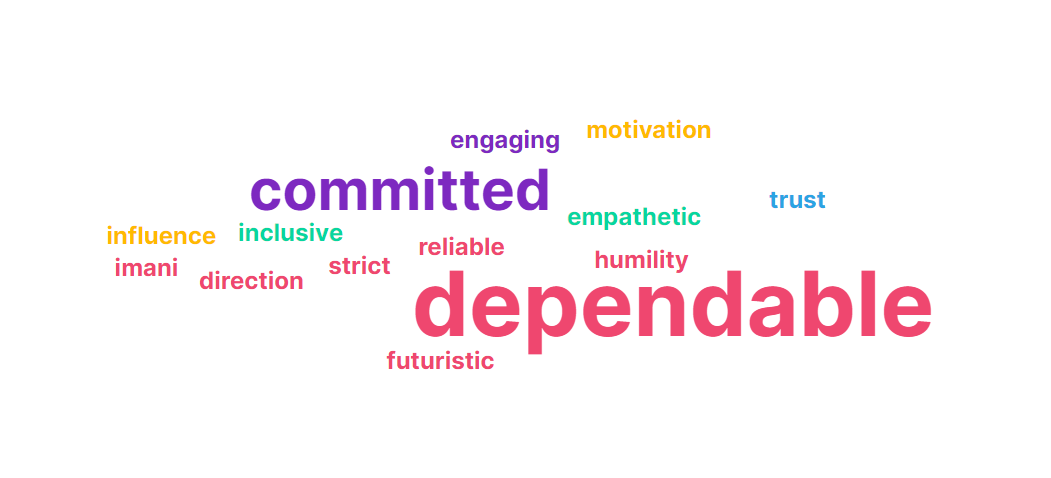
LEADERSHIP EXCELLENCE

I recently had an opportunity to speak to a group of leaders on leadership excellence. Below is what I shared. I hope you take away some learnings from the brief presentation.

About the Author

Gilbert Ang’ana is an Award-winning Organizational Leadership Coach, Teacher, and Consultant | Keynote Speaker | CEO, Accent Leadership Group | Books Authored: “Engaged & Productive” and “Purposeful at HEART”

Empowering Leadership Through Delegating Responsibility

In the ever-evolving landscape of contemporary leadership, the art of delegation has emerged as a cornerstone for effective management. Leaders are often socialized to delegate tasks, a practice encouraged by their superiors and ingrained in organizational culture. However, there exists a subtle yet significant distinction between delegating tasks and delegating responsibilities—a nuance that defines the trajectory of leadership evolution.

Traditionally, leaders have been adept at assigning tasks to their subordinates, ensuring the efficient completion of objectives. This approach, while effective in achieving short-term goals, often fosters a hierarchical dynamic where accountability is centralized at the top. Team members execute tasks under the guidance of their leaders, but the ultimate responsibility remains with the leader. This paradigm, while prevalent, inhibits the growth of a collaborative and empowered workforce.

Future leadership paradigms advocate for a paradigm shift—from task delegation to responsibility delegation. This shift entails relinquishing control and entrusting teams with full responsibility for tasks, irrespective of their sensitivity. It signifies a departure from hierarchical structures towards a more egalitarian model, where leaders serve as facilitators rather than commanders.

Delegating responsibility is not synonymous with abdicating accountability. On the contrary, it signifies a profound trust in the capabilities of one’s team to deliver results autonomously. By empowering team members with ownership over their tasks, leaders foster a culture of accountability and initiative. This approach cultivates a sense of ownership and investment in the team’s collective success, as individuals feel valued for their contributions rather than merely executing instructions.

Moreover, delegating responsibility transcends the transactional nature of task delegation, transforming it into a collaborative endeavour. When team members are entrusted with responsibilities, they perceive themselves as co-creators of the team’s vision and mission. This sense of ownership instils a deeper commitment and engagement, driving performance and innovation.

At its core, delegating responsibility embodies the essence of collaborative leadership—a leadership style characterized by inclusivity, transparency, and empowerment. By embracing this approach, leaders foster a culture of learning and growth, where individuals are encouraged to take ownership of their actions and learn from their experiences.

Furthermore, delegating responsibility serves as a catalyst for authenticity and trust within teams. When leaders demonstrate faith in their team members’ capabilities, it fosters mutual respect and admiration. Team members feel valued and respected, leading to heightened morale and productivity. Delegating responsibility effectively is a skill that requires careful planning, clear communication, and trust in your team members. Here’s a detailed account of how to delegate responsibility:

  • Understand the Task: Before delegating responsibility, ensure that you comprehensively understand the task or project at hand. Clarify the objectives, requirements, and expected outcomes to avoid any misunderstandings later on.
  • Identify the Right Person: Assess your team members’ skills, capabilities, and workload to determine who is best suited for the delegated responsibility. Consider factors such as expertise, experience, and interest in the task to ensure optimal performance.
  • Set Clear Expectations: Clearly communicate the scope of the responsibility, including deadlines, milestones, and quality standards. Provide detailed instructions and guidelines to help the team members understand what is expected of them.
  • Empower with Authority: Delegate the responsibility and authority necessary to fulfil the task effectively. Empower your team members to make decisions, solve problems, and take initiative within the parameters you define.
  • Provide Resources and Support: Ensure the delegated team member has access to the resources, tools, and support needed to accomplish the task successfully. Offer guidance, mentorship, and assistance whenever necessary to facilitate their progress.
  • Establish Accountability: Clearly define the accountability structure, outlining how progress will be monitored and how feedback will be provided. Set up regular check-ins or progress reviews to track the task’s status and address any issues that may arise.
  • Encourage Autonomy: Encourage autonomy and independent thinking by allowing the delegated team member to approach the task in their own way. Avoid micromanaging and trust their abilities to find creative solutions and overcome challenges.
  • Communicate Openly: Maintain open lines of communication throughout the delegation process. Encourage the delegated team member to ask questions, seek clarification, and provide updates on their progress. Be available to address any concerns or obstacles they may encounter.
  • Acknowledge and Recognize: Recognize the efforts and achievements of the delegated team member to reinforce their motivation and commitment. Acknowledge their contributions publicly and express appreciation for their hard work and dedication.
  • Evaluate and Provide Feedback: After the task is completed, conduct a thorough evaluation to assess the outcomes and identify areas for improvement. Provide constructive feedback, highlighting strengths and areas for development to facilitate learning and growth.

By following these steps, you can delegate responsibility effectively, empowering your team members to take ownership of their work and contribute to the overall success of the organization. Effective delegation not only enhances productivity and efficiency but also fosters a culture of trust, collaboration, and accountability within the team.

In conclusion, delegating responsibility is not merely a managerial strategy but a philosophy that underpins effective leadership in the modern era. By entrusting teams with ownership and accountability, leaders empower individuals to unleash their full potential and drive organizational success. Embracing this approach fosters a culture of collaboration, learning, and authenticity—a culture that propels teams towards excellence in a dynamic and competitive landscape.

About the Author

Gilbert Ang’ana is an Award-winning Organizational Leadership Coach, Teacher, and Consultant | Keynote Speaker | CEO, Accent Leadership Group | Books Authored: “Engaged & Productive” and “Purposeful at HEART”

Oh hi there 👋
It’s nice to meet you.

Sign up to receive awesome leadership content in your inbox every week.

We don’t spam! Read our privacy policy for more info.