The Crucial Role of Personal Competence in Leadership
In the realm of leadership, personal competence stands out as a cornerstone that significantly impacts not just the leader but the entire organization. While organizational competence is undoubtedly important, personal competence carries a distinctive weight, especially in leader-driven environments.
Leadership within an organization is not solely about managing tasks; it involves inspiring and guiding individuals toward shared goals. In this pursuit, personal competence plays a pivotal role, going beyond the conventional understanding of organizational competencies. Here’s a deeper dive into why personal competence is more critical in leader-driven scenarios than merely focusing on organizational competence:
Leadership Influence
A leader’s personal competence directly influences their ability to inspire, guide, and influence their team. It forms the bedrock upon which trust and credibility are built. When leaders possess high levels of personal competence, they become role models, setting the tone for the entire organization. A leader’s personal competence encompasses qualities like integrity, self-awareness, and a clear vision. When leaders possess high personal competence, they inherently gain the trust and respect of their team members, creating a strong foundation for effective leadership. Their behaviours and decisions set the tone for the entire organization, influencing the culture and values that define its identity.
Responsibility and Accountability
Leaders, by nature of their position, hold a substantial degree of responsibility for the direction and success of their teams. Personal competence enables them to make informed decisions, take calculated risks, and own up to their actions. By acknowledging their strengths and weaknesses, leaders can adapt and grow, thereby fostering a culture of accountability within the organization. Leaders bear the weight of crucial decisions impacting the organization’s trajectory. Personal competence enables them to make informed choices by drawing upon their knowledge, experience, and ethical values. It also equips them with the courage to take responsibility for both successes and failures. Effective leaders understand their strengths and limitations, constantly seeking ways to improve themselves and leading by example in accepting accountability.
Adaptability and Resilience
In rapidly changing environments, leaders need the adaptability and resilience that personal competence brings. This competence encompasses emotional intelligence, critical thinking, problem-solving, and a continuous learning mindset. These skills equip leaders to navigate uncertainties, drive innovation, and lead their teams through challenging times. Leaders must navigate uncertainties and disruptions. Personal competence in areas like adaptability and resilience becomes indispensable. These competencies allow leaders to remain composed under pressure, embrace change, and lead their teams through transitions with confidence. Leaders who continuously hone these skills inspire a culture of flexibility and innovation within their teams.
Engagement and Empowerment
Effective leadership hinges on the leader’s ability to empower their team members. Personal competence allows leaders to understand their team’s needs and strengths. By honing their own competencies, leaders create an environment that fosters growth, encourages open communication, and cultivates a shared vision. Leadership is not just about authority; it’s about fostering an environment where individuals feel engaged. Personal competence enables leaders to understand their team members on a deeper level, acknowledging their motivations and challenges. This understanding fosters open communication, encourages collaboration, and builds a cohesive team driven towards a shared vision.
Sustained Growth and Development
A leader’s commitment to their personal competence signifies an ongoing journey of growth and development. A leader’s commitment to personal competence signifies a dedication to continuous improvement. Continuous improvement in areas such as communication, empathy, conflict resolution, and decision-making fuels not only personal success but also the organization’s long-term sustainability. By prioritizing their growth, leaders set the pace for a culture of learning and development within the organization, ensuring its long-term success and adaptability.
In essence, while organizational competence remains critical for an entity’s success, it’s the leader’s personal competence that acts as the catalyst for achieving organizational excellence. While organizational competence provides structure and processes, personal competence defines the effectiveness and impact of leadership within an organization. Leaders who prioritize their personal competence not only elevate their own leadership effectiveness but also foster a culture of continuous learning and growth within their teams and the organization at large. Thus, the responsibility for personal competence development and growth rests squarely on the shoulders of those steering the ship— the leaders. It is the leader’s commitment to personal growth and competence that elevates their ability to steer the organization toward success, nurturing an environment of growth, innovation, and resilience. Thus, leaders must take ownership of their personal competence development to drive not just their own success but also that of their teams and the broader organization.
About the Author
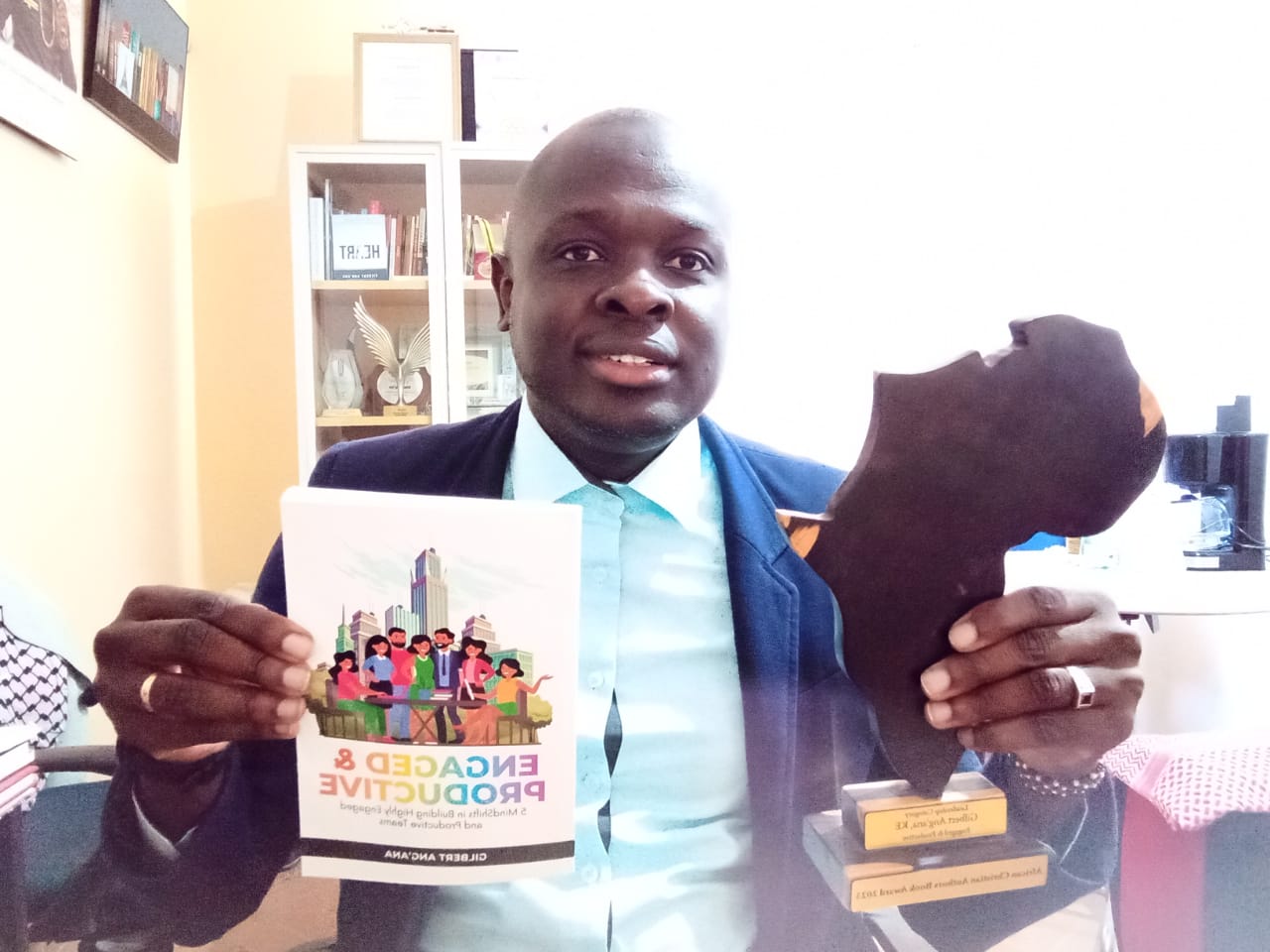
Gilbert Ang’ana is an Award-winning Organizational Leadership Coach, Teacher, and Consultant | Keynote Speaker | CEO, Accent Leadership Group | Books Authored: “Engaged & Productive” and “Purposeful at HEART”