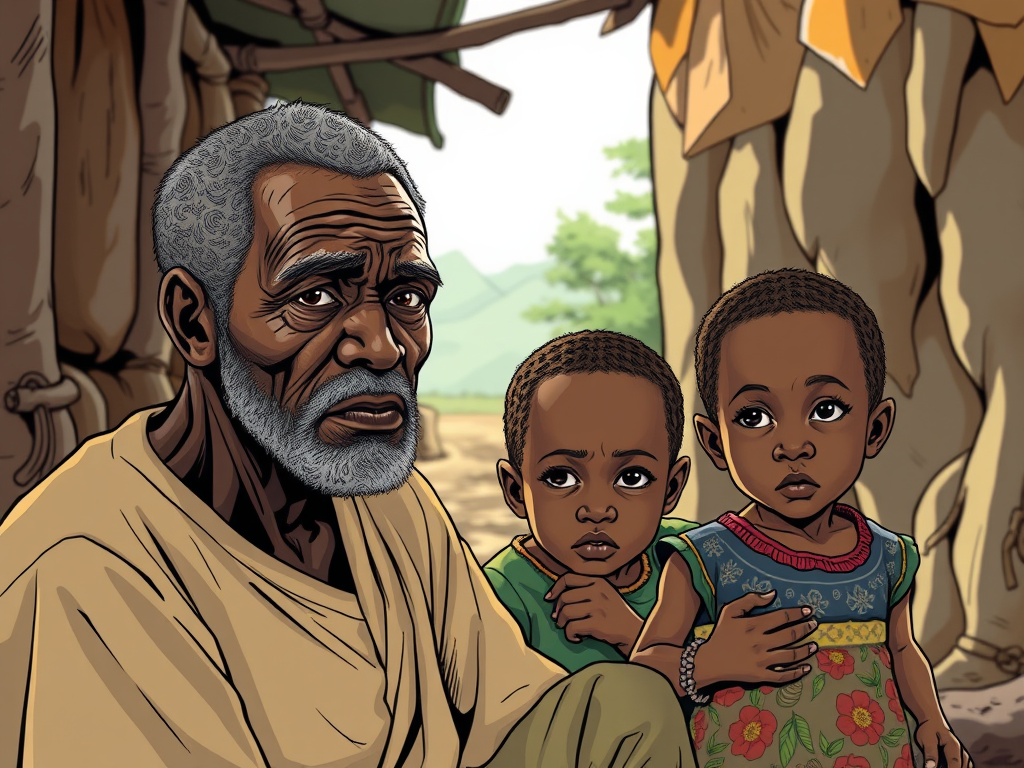
The Silent Collapse of Parenting in Kenya

By Dr. Gilbert A. Ang’ana
Picture This:
Saturday morning in Nairobi. A 12-year-old scrolls TikTok at the breakfast table while her “best-friend” mum, dressed for brunch, begs for a selfie, “Hashtag bonding time!” Dad is still asleep after a late-night business dinner. At noon, guilt kicks in: Mum orders pizza and books an evening at the mall. The child shrugs; she’s already gaming with friends online. By bedtime, everyone is exhausted, but no one has actually spoken.
This tableau captures a bigger tragedy: in too many Kenyan homes, parenting is happening through Wi-Fi, wallet, or wishful thinking everywhere but in the hard, heart-to-heart work of presence and guidance. Kenya is witnessing a quiet but consequential crisis: the collapse of parenting. Behind rising cases of youth crime, mental-health struggles, and moral drift, too many children are growing up with parents who are present in name but absent in essence.
The Three Faces of Failing Parenting
The Clingy Parent
In the name of “modern friendship,” some parents mistake permissiveness for love. They blur the line between guidance and indulgence, desperate to be their children’s best friends. Boundaries vanish; discipline feels old-fashioned. But when a parent abdicates authority, a child loses the guardrails needed to develop resilience and moral clarity. Can a parent’s friendship be a substitute for their leadership?
The Absent Parent
Others are physically and emotionally unavailable. Their calendars brim with work, social outings, or endless travel. They outsource nurture to nannies, teachers, or screens. Children, craving connection, either rebel to attract attention or retreat into isolation. These parents often console themselves with the promise of a better future for the family, forgetting that children need presence more than presents.
The Splash Parent
Then there are those who try to “buy back” their children’s affection. They shower them with gadgets, lavish trips, and pocket money, hoping material comfort will fill the emotional gap. But affection bought is never secure; it breeds entitlement and a hunger for more, while masking a deeper ache for conversation, guidance, and trust.
The Stakes for Society
The consequences ripple beyond the family. Kenya’s future workforce, leaders, and citizens are being shaped today. When home ceases to be the first school of values, society pays the price in rising delinquency, fragile relationships, and diminished civic responsibility. Research consistently shows that strong parental engagement, clear boundaries combined with warmth, correlates with better academic outcomes, lower risk behaviours, and higher emotional well-being.
How Do We Reclaime the Parental Mandate
The reality is, I am not very sure. Reversing this collapse requires courage and cultural honesty. However, since I am also on an intentional journey, I share tips below that could help.
Re-centre Parenting as Leadership – Parenting is not a part-time hobby; it is the most critical leadership role we will ever hold. Children need parents who guide, not simply entertain or bankroll.
Set Boundaries and Model Character – Discipline is not oppression. It is love expressed as structure. Parents must embody the values: integrity, empathy, hard work, they hope to see in their children.
Prioritize Presence Over Performance – The simplest gifts, unhurried meals, shared chores, bedtime conversations, nourish a child’s sense of worth far more than any expensive outing.
Leverage Community – Extended families, faith groups, and schools can reinforce, but never replace, the parental role. Communities must champion and support parents in this demanding task.
A National Imperative
Kenya stands at a demographic crossroads. Our young population is an immense asset, if well nurtured. But without intentional, engaged parenting, we risk raising a generation brilliant with technology yet starved of empathy, discipline, and civic spirit.
The collapse of parenting is not inevitable. It is a choice, and so is its reversal. Let us choose presence over distraction, guidance over indulgence, and authentic love over material substitutes. Our children, and our nation’s future, deserve nothing less.
By Dr. Gilbert Ang’ana
Dr. Gilbert Ang’ana is a Leadership, Governance, and Policy Consultant and Founder of Accent Leadership Group. He is a Senior Lecturer and the Dean School of Leadership at PAC University, a Policy Leader Fellow at the European University Institute and a published scholar, he champions human-centred leadership as the future of organisational success. Follow his insights on LinkedIn or visit www.accentleadership.com.